Air Conditioning Service Guide: Understanding the 3-Minute Rule for Your AC
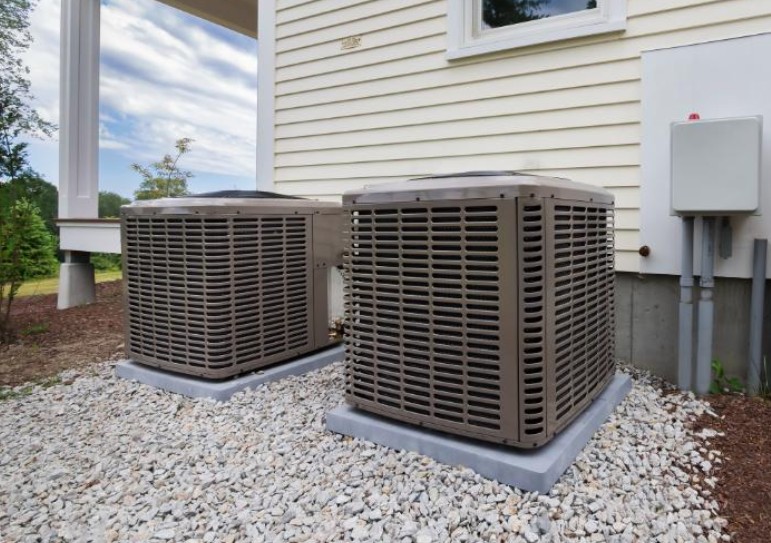
Air conditioners do a lot of work behind the scenes to keep your home comfortable. Most homeowners are familiar with basic maintenance tasks, such as changing filters and scheduling yearly tune-ups, but one detail often gets overlooked: the frequency of system operation. That simple habit can affect both performance and lifespan, which is why the 3-minute rule matters.
The 3-minute rule is a key part of maintaining your system, and it plays a big role in why regular air conditioning service keeps your equipment running smoothly. Quick restarts put pressure on some of the most important components inside your unit. Understanding why helps you avoid expensive repair issues and prevent unnecessary strain.
Before you can appreciate why the 3-minute rule matters, it helps to understand what happens inside your AC every time it starts, stops, and restarts. Many homeowners learning about air conditioning service in Rhode Island discover that this simple rule can significantly improve system health and reliability. It not only protects the compressor but also supports consistent cooling and prevents sudden shutdowns during high-demand periods.
What Is the 3-Minute Rule?
The 3-minute rule means that after switching off your AC, you should wait at least three minutes before turning it back on. This pause allows internal pressure to stabilize. Restarting the AC too quickly forces the compressor to work against pressure that hasn’t settled.
This rule exists because the compressor is not designed to restart under high pressure. If the unit tries to turn back on too early, the compressor struggles, draws too much electricity, and may even overheat. Over time, these repeated stress events can shorten the system’s lifespan and lead to sudden failures.
What Happens Inside Your AC During Startup?
Air conditioners rely on refrigerant pressure to function. When the unit shuts off, pressure remains high for a short time. Restarting too soon forces the compressor into “hard starting,” where it shakes, strains, and may even trip the breaker.
Hard starting is one of the leading reasons compressors fail early. Ignoring the 3-minute rule only increases the risk. In some cases, it may also cause wiring damage or overheating of internal components.
Why the 3-Minute Rule Protects Your AC
Your AC experiences the most stress during startup. Following the rule gives your system time to reset, reducing strain on the compressor and lowering the chance of overheating.
Another benefit is improved energy efficiency. Frequent restarts cause the system to draw more electricity than necessary. Waiting a few minutes keeps energy use steady and helps maintain smooth cooling cycles. This also reduces your energy bill and minimizes unnecessary wear.
Signs Your AC Is Ignoring the 3-Minute Rule
Short cycling is the biggest sign that something is wrong. This happens when the system turns on and off too quickly and never finishes a full cooling cycle.
Common symptoms include inconsistent cooling, rapid system cycling, and warm or uneven indoor temperatures. Thermostat issues, refrigerant problems, or electrical malfunctions can also cause short cycling, making the 3-minute rule ineffective unless the root issue is addressed.
How Homeowners Can Follow the 3-Minute Rule
Following the rule is simple: avoid turning the AC off and on quickly. Give your system time to rest before restarting.
Programmable thermostats help reduce the likelihood of short cycling by eliminating the need for constant manual adjustments. Keeping a steady indoor temperature also reduces the need for frequent system starts. Smart thermostats make this even easier by learning your habits and adjusting gradually.
When the 3-Minute Rule Isn’t Enough
If your system continues to short-cycle even when you follow the rule, the issue may be deeper. Low refrigerant, airflow restrictions, overheating components, or electrical issues can all trigger rapid cycling.
These problems require a professional diagnosis. Routine air conditioning service enables technicians to identify issues early and prevent long-term damage. Ignoring these signs can lead to major system failures during peak cooling season.
Why Professional Air Conditioning Service Matters
Homeowners can handle simple AC maintenance, but internal system checks require trained technicians. During a tune-up, a professional inspects the compressor, thermostat, wiring, refrigerant levels, and coils to ensure optimal performance. They clean vital components and calibrate the system for efficient performance.
Professional maintenance not only boosts performance but also extends the lifespan of your AC. Since compressors are expensive to replace, protecting them with proper cycling and regular service is essential. A technician can also recommend upgrades or adjustments that improve efficiency.
Conclusion
The 3-minute rule is a small habit that makes a big difference. It lowers strain on the compressor, prevents overheating, improves efficiency, and helps your AC deliver consistent cooling. Paired with regular air conditioning service, your system will stay reliable and efficient through every season.
For trusted maintenance, repairs, and expert care, contact UBH Heating & Cooling. Their professional air conditioning service keeps your system healthy, safe, and ready to handle the hottest days of the year.