Foundation Crack Repair Explained: What Cracks Mean for Your Home and Your Wallet
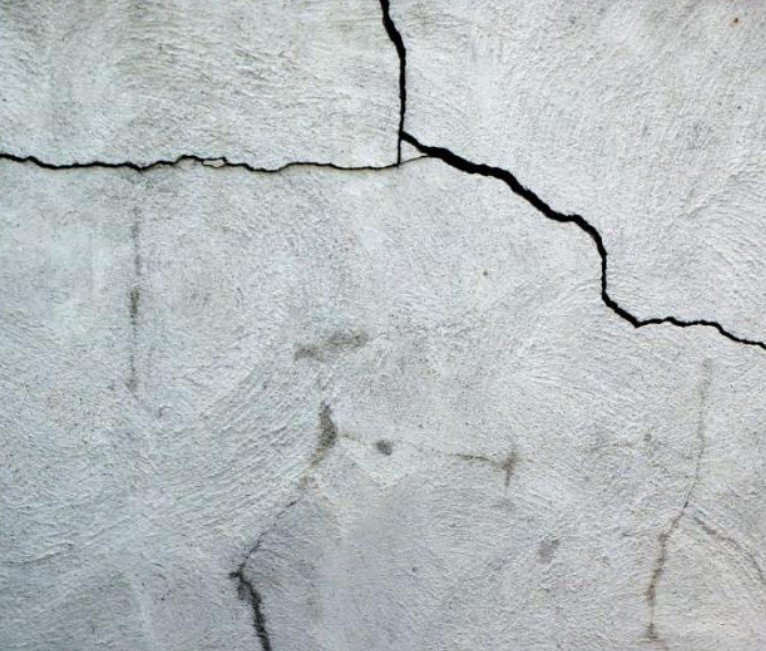
Cracks in your foundation tend to show up quietly. One day, everything looks normal. The next day, a thin line runs along a wall or floor that was never there before. It is easy to ignore at first, especially if the crack looks small. The problem is that foundation cracks rarely stay small, and understanding what they mean early can save you serious money later.
Foundation crack repair is not only about fixing visible damage. It is about protecting your home’s structure, keeping moisture out, and avoiding repair costs that grow every year the problem is left alone. Knowing what different cracks signal helps you decide when to monitor and when to act.
When cracks appear, working with experienced foundation repair cincinnati professionals gives you clarity fast. A proper evaluation helps determine whether a crack is cosmetic or tied to structural movement that could affect your home’s value and safety.
Why Foundation Cracks Happen in the First Place
Your foundation supports the entire weight of your home, and it sits directly on soil that expands and contracts over time. Weather changes, moisture levels, and natural settling all put pressure on concrete. Over the years, that pressure shows itself as cracking.
Some cracks form from normal settling, especially in newer homes. Others develop when water builds up around the foundation or soil shifts unevenly. Older homes may show cracks simply due to age, while newer homes may crack because of drainage issues or poor soil conditions.
Understanding the cause matters because foundation crack repair methods depend heavily on why the crack formed, not just how it looks.
Cosmetic Cracks vs Structural Cracks
Not all cracks signal danger, but some absolutely do. Cosmetic cracks are usually thin and shallow. They may appear in poured concrete walls or along basement floors and often remain stable over time.
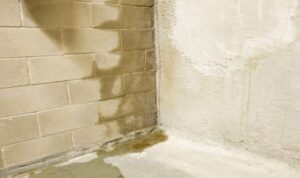
Structural cracks tend to widen, spread, or change direction. Horizontal cracks, stair-step cracks in block walls, and cracks that leak water are more concerning. These often point to pressure from soil or water pushing against the foundation.
Foundation crack repair becomes more urgent when cracks grow wider, allow moisture to enter, or appear alongside signs such as sticking doors or sloping floors.
How Crack Size Impacts Repair Decisions
Hairline cracks may only require monitoring at first. Wider cracks suggest movement and demand attention sooner. Cracks wider than a quarter inch often indicate underlying issues that go beyond surface damage.
The depth of the crack matters too. A crack that travels through the wall can allow water intrusion and weaken structural support. Early foundation crack repair helps stop that progression before repairs become invasive and expensive.
Interior Repairs vs Exterior Repairs
Some cracks are accessible from inside the basement, while others require exterior solutions. Interior crack repairs often involve sealing or injection methods that prevent moisture from entering and stabilize the crack.
Exterior repairs address the source of the problem. These may involve waterproofing systems, drainage improvements, or soil pressure relief. Choosing the right approach depends on crack location, severity, and moisture conditions.
Foundation crack repair works best when the method matches the root cause, not just the symptom.
The True Cost of Ignoring Cracks
Small cracks feel harmless until water finds a way inside. Moisture leads to mold growth, damaged finishes, and unhealthy air quality. Over time, cracks widen and compromise the foundation’s strength.
Delaying foundation crack repair usually increases costs. What starts as a simple repair can turn into wall stabilization, drainage installation, or structural reinforcement. Early action protects both your home and your budget.
Can You Fix Foundation Cracks Yourself
DIY crack fillers may seem appealing, but they rarely address deeper issues. Many products only mask the crack visually and fail when the foundation continues to move. This often leads to repeated repairs that add up fast.
Professional foundation crack repair focuses on long-term stability rather than surface appearance. A proper assessment determines whether the crack is active, stable, or tied to larger structural concerns.
How Repairs Protect Your Home’s Value
Foundation issues raise red flags during inspections. Buyers notice cracks immediately, and unresolved foundation problems often delay or derail sales. Repairing cracks early helps maintain market value and prevents negotiation issues later.
Foundation crack repair also protects finished spaces. Basements used for storage or living space stay dry and stable when cracks are properly addressed. That protection pays off every year you stay in the home.
When to Schedule an Inspection
If you notice new cracks, widening cracks, or moisture near foundation walls, it is time to act. Changes over time signal movement that should not be ignored.
Foundation crack repair is most effective when done early, before structural damage spreads. An inspection provides peace of mind and a clear plan for the future, rather than guesswork.
Conclusion
Cracks are your foundation’s way of communicating stress. Some messages are mild, others urgent. Understanding what they mean helps you respond wisely before small issues turn into serious structural concerns.
Foundation crack repair is an investment in stability, safety, and long-term savings. Addressing problems early prevents damage from escalating and saves you money on unnecessary repair costs. If you want clear answers and proven solutions, Cincinnati Foundation Repair & Waterproofing offers professional inspections and repair services designed to stop foundation problems before they grow.