Crawl Space Encapsulation: What It Solves, What It Does Not, and Why
Crawl space encapsulation has become one of the most talked-about home protection upgrades, and for good reason. Moisture problems below a home often lead to comfort issues, air quality concerns, and long-term structural stress. Encapsulation promises control, but it is not a cure-all. Knowing exactly what it addresses and what it does not helps homeowners make clear-headed decisions rather than costly guesses.
Many homeowners start researching crawl space encapsulation canton after inspections reveal damp conditions, sagging insulation, or persistent musty odors. These findings usually point to moisture and air movement problems beneath the home. Encapsulation targets those issues directly, but it works best when expectations match reality.
Understanding the boundaries of encapsulation is just as important as understanding its benefits.
What Crawl Space Encapsulation Actually Solves
Encapsulation is designed to control the environment, not magically repair every problem in a home.
Moisture intrusion from the ground
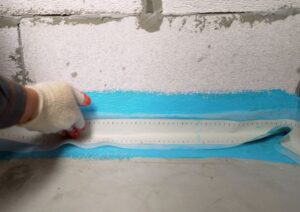
Unsealed crawl spaces allow ground moisture to rise into the air and surrounding materials. Encapsulation blocks this pathway by covering the ground and walls with a sealed vapor barrier. This alone can dramatically reduce dampness.
High humidity and condensation
By sealing the crawl space and controlling airflow, encapsulation stabilizes humidity levels. This helps prevent condensation on framing, ductwork, and insulation.
Musty odors and poor air quality
Air from the crawl space often migrates upward into living areas. When moisture and mold spores are present, odors follow. Encapsulation limits air transfer and improves indoor air conditions.
Energy efficiency loss
Open crawl spaces allow temperature swings and air leakage. Encapsulation reduces drafts and helps heating and cooling systems operate more efficiently.
What Crawl Space Encapsulation Does Not Fix
Encapsulation is powerful, but it is not a structural repair or drainage shortcut.
Existing structural damage
Encapsulation does not repair rotted beams, weakened joists, or compromised supports. Any structural damage must be addressed before or alongside encapsulation.
Active water intrusion
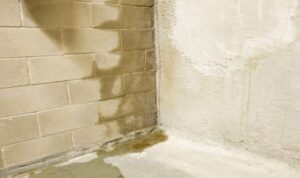
Standing water from groundwater, poor grading, or plumbing leaks must be resolved first. Encapsulation controls moisture vapor, not flowing water.
Foundation movement
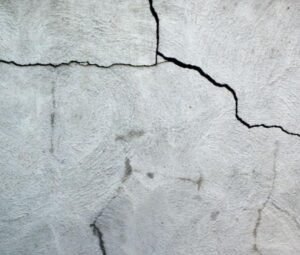
If foundation walls are bowing, settling, or cracking due to soil pressure, encapsulation alone will not stop that movement. Structural solutions may be required.
Poor exterior drainage
Encapsulation works best when paired with proper exterior drainage. Gutters, downspouts, and grading still matter.
Why Encapsulation Works When Done Correctly
The effectiveness of crawl space encapsulation depends heavily on design and installation quality.
It treats the crawl space as part of the home.
Encapsulation brings the crawl space inside the home’s controlled environment. This stabilizes temperature and humidity, rather than letting outdoor conditions dictate what happens below.
It creates a continuous barrier.
A properly sealed system leaves no gaps for air or moisture to sneak through. Overlaps, seams, and wall connections matter.
It supports long-term material preservation.
By controlling moisture, encapsulation slows wood decay, insulation breakdown, and corrosion of mechanical components.
Common Misconceptions About Crawl Space Encapsulation
Encapsulation often gets oversold or misunderstood.
It is not a gimmick
When installed correctly for the right reasons, encapsulation solves real problems. Failures usually trace back to skipped steps or ignored moisture sources.
It is not always cheaper than alternatives.
Some crawl spaces may benefit from targeted moisture control or insulation improvements rather than a full replacement. Encapsulation is a system, not a shortcut.
It still requires monitoring.
Encapsulated crawl spaces benefit from periodic checks, especially if a dehumidifier is part of the system.
Encapsulation Costs and What Influences Them
Costs vary based on conditions, not just square footage.
Crawl space size and access
Larger or harder-to-reach spaces require more labor and materials.
Existing damage or contamination
Mold remediation, insulation removal, or wood repairs are included in the project scope.
Drainage and moisture control needs
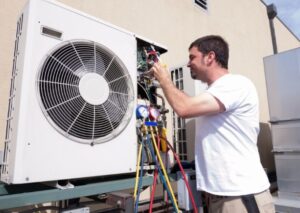
Some homes need sump systems or dehumidifiers to support encapsulation.
Material quality
Thicker vapor barriers and higher-grade sealing components last longer and perform better.
Encapsulation and Home Value
Encapsulation often enhances resale appeal when properly documented.
Buyers respond well to clean crawl spaces.
Encapsulated crawl spaces signal proactive maintenance and moisture control.
Inspections raise fewer concerns
Reduced moisture and improved air quality limit inspection red flags.
Long-term durability improves confidence.
Homes with controlled crawl spaces tend to age more gracefully below the floor.
Insurance and Tax Considerations
Encapsulation is usually considered preventive.
Insurance coverage is limited.
Most policies do not cover encapsulation costs, especially for long-term moisture issues.
Tax credits vary
Some energy-related improvements may qualify depending on system components. Homeowners should consult tax professionals for current guidance.
Living With an Encapsulated Crawl Space
Encapsulation changes how a home behaves.
Comfort improves gradually
Humidity levels stabilize, and temperature consistency improves over time.
Maintenance becomes simpler
Encapsulated spaces stay cleaner and easier to inspect.
Peace of mind increases.
Knowing moisture is controlled reduces long-term worry about hidden damage.
For general guidance on moisture control and indoor air quality, homeowners can review information from the US Environmental Protection Agency at epa.gov, which outlines best practices for managing humidity and protecting building materials.
Conclusion
Crawl space encapsulation solves moisture, humidity, and air quality problems when those are the true issues affecting a home. It does not repair structural damage or replace proper drainage solutions. Understanding what encapsulation does and does not do is the difference between a smart investment and misplaced expectations.
Canton Foundation Repair Specialists provide professional crawl space encapsulation solutions tailored to real conditions, not generic promises. Their evaluations help homeowners address the right problems in the right order, protecting the home from the ground up.