Tree Trimming Costs and Tree Removal Pricing by Size and Season
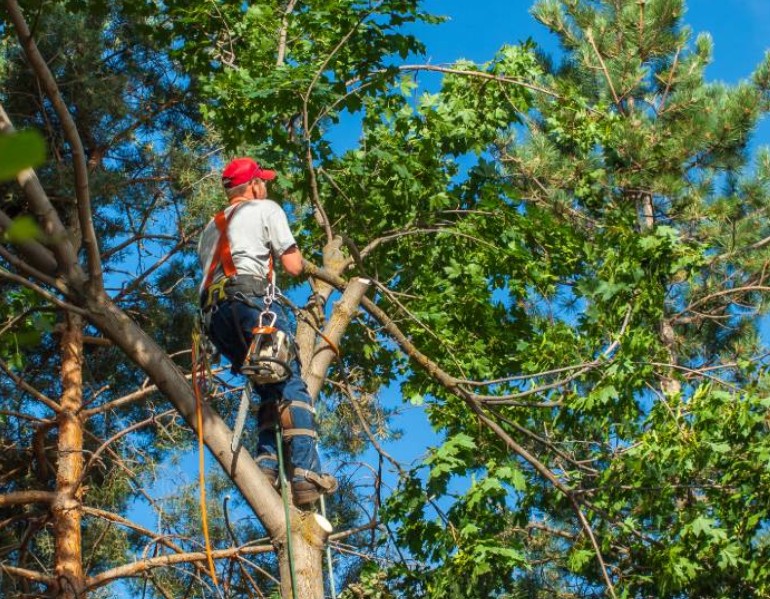
Tree removal is one of those home expenses that can come as a surprise. One estimate sounds reasonable, the next feels like it belongs on a luxury invoice. The difference usually comes down to three things that matter more than anything else: tree size, timing, and risk. Once you understand how those factors work together, tree removal pricing starts to make a lot more sense.
Before committing to any work, it helps to speak with a local tree service springfield mo provider that understands regional conditions, seasonal demand, and safety requirements. A professional tree service can explain why pricing varies so widely and help you avoid unnecessary costs tied to poor timing or risky removal methods.
How Tree Size Affects Removal Costs
Tree size is the biggest pricing driver in any tree service quote. Larger trees require more labor, equipment, time, and safety precautions. Even a small increase in height or trunk width can significantly change the workload. In many cases, tree trimming is evaluated first to determine whether full removal is necessary.
Small Trees
Small trees are usually the most affordable to remove. These trees are easier to cut, lighter to haul away, and often do not require specialized equipment. Some situations may only require basic tree trimming instead of full removal.
Costs stay lower because:
- Crews can work faster
- Fewer safety risks are involved
- Minimal cleanup is required
Small tree removals are typically handled quickly by a professional tree service with minimal disruption to your yard.
Medium Trees
Medium-sized trees fall into a middle pricing range. These trees may require climbing, sectional cutting, or controlled lowering to prevent damage. Tree trimming is often used to reduce weight and risk before removal begins.
Pricing increases because:
- More crew members are needed
- Cutting must be done in stages
- Equipment usage increases
An experienced tree service can manage these removals efficiently while keeping safety front and center.
Large Trees
Large trees are the most expensive to remove. They demand careful planning, heavy equipment, and advanced safety measures. In some cases, extensive tree trimming is required before full removal can be performed safely.
Higher costs come from:
- Crane or lift usage
- Extended labor hours
- Complex rigging and removal techniques
Large removals almost always require an insured tree service with advanced equipment and trained crews.
Why Season Matters More Than Most Homeowners Expect
The time of year plays a major role in tree removal pricing. Demand changes with the seasons, and weather conditions affect how safely crews can work. Tree trimming schedules are often adjusted based on seasonal growth and access conditions.
Winter and Late Fall
This is often the most affordable time for tree removal. Trees are dormant, ground conditions are more stable, and demand is lower.
Benefits include:
- Easier access through bare branches
- Less impact on surrounding plants
- More scheduling flexibility
Many homeowners schedule a tree service during colder months to take advantage of reduced demand.
Spring and Summer
Warm seasons bring higher demand. Storms, growth cycles, and landscaping projects keep crews busy. Tree trimming requests also increase during these months as branches grow rapidly.
Costs may increase due to:
- Emergency storm work
- Limited scheduling availability
- Increased safety precautions
Planning with a reliable tree service helps avoid peak season pricing.
Risk Factors That Increase Tree Removal Costs
Risk is the quiet multiplier in tree removal pricing. The greater the danger, the higher the cost.
Proximity to Structures
Trees near homes, garages, fences, or power lines require controlled removal. Every cut must be calculated to avoid damage, and tree trimming often plays a key role in reducing immediate risk.
Higher risk means:
- Slower work pace
- Advanced rigging systems
- Greater insurance liability
These conditions increase labor costs and insurance exposure for any tree service.
Tree Health and Stability
Dead or diseased trees are unpredictable. Weak limbs and hollow trunks increase the chance of sudden failure during removal.
Professionals must:
- Use additional safety gear
- Remove sections more cautiously
- Assign extra crew members
That extra care adds time and cost to the job.
Accessibility Challenges
Limited access makes removal harder. Tight spaces, steep slopes, or fenced yards slow down the process.
Access issues increase costs because:
- Equipment cannot be used efficiently
- Manual labor increases
- Cleanup becomes more time-consuming
Additional Services That Affect Final Pricing
Tree removal often includes optional or necessary add-ons that influence cost. Tree trimming is frequently bundled with these services to improve safety and efficiency.
Common additions include:
- Stump grinding
- Branch hauling
- Wood chipping
- Root removal
Bundling these services with removal is usually more affordable than scheduling them separately.
How to Avoid Overpaying for Tree Removal
Smart planning makes a real difference. A few simple steps help keep costs under control.
Helpful tips:
- Schedule work during low-demand seasons
- Request detailed written estimates
- Ask what services are included
- Avoid emergency pricing when possible
Choosing an experienced provider reduces mistakes that lead to damage or repeat work.
Conclusion
Tree removal costs are shaped by size, season, and risk more than anything else. Small trees removed during low-demand periods cost less, while large, high-risk removals require more time, skill, and equipment. Understanding these factors helps homeowners plan smarter, avoid rushed decisions, and reduce unnecessary expenses.
Working with a qualified tree service protects your property, improves safety, and prevents larger problems down the road. When removal is handled correctly, the investment pays off long after the tree is gone. For homeowners seeking clear guidance and reliable results, Springfield Tree Trimming & Removal Service offers the experience and local insight to manage tree removal effectively.