Basement Waterproofing Explained: Choosing the Most Effective Solution
Moisture in a basement is one of the most common problems homeowners face, and it is also one of the most disruptive. A damp or leaking basement can create mold, damage stored belongings, and weaken the structure over time. Since the basement supports the rest of the home, keeping it dry is essential for both safety and long-term comfort. Understanding what causes leaks and how different waterproofing methods work helps homeowners protect their property with confidence.
Water can enter a basement in several ways, which is why many people feel confused about which solution they need. Some homeowners notice a small damp spot, while others see pooling water after heavy rain. Because basement waterproofing in DC includes multiple interior and exterior options, knowing the basics makes the decision easier and less stressful.
The good news is that modern waterproofing systems are more effective than ever. Whether the water enters through cracks, soil pressure, or poor drainage, there is a dependable solution for nearly every situation. Learning how these systems work gives homeowners the clarity they need to choose the most effective approach.
Why Basements Leak in the First Place
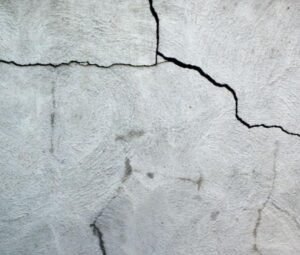
Basements sit below ground level, which naturally exposes them to moisture. Hydrostatic pressure is one of the main causes of leaks. When groundwater around the home builds up, it pushes against the basement walls and floor. If the pressure becomes too strong, small cracks begin to form, allowing water to seep in.
Exterior drainage issues also contribute to leaks. Clogged gutters, poorly designed downspouts, or sloped soil that directs water toward the home can cause water to collect at the foundation. Over time, this adds stress to the walls and increases the chance of water intrusion.
Interior moisture is another concern. High humidity, poor ventilation, or appliances that release moisture into the air can lead to condensation. Even without visible water leaks, trapped humidity encourages mold growth and must be addressed.
Interior Basement Waterproofing Solutions
Interior waterproofing solutions manage water after it has reached the basement. One of the most common methods is the interior drain tile system. This system collects water that enters the basement and directs it to a sump pump, which safely moves it away from the home. It reduces pressure inside the basement and helps keep the area dry.
Vapor barriers also play an important role. These sheets cover basement walls to block moisture from entering the living space. They work especially well in damp basements where humidity creates ongoing discomfort.
Crack injection and sealing are other effective methods. Technicians use epoxy or polyurethane to fill wall cracks and stop water at the source. This form of basement waterproofing is ideal for small but persistent leaks.
Exterior Basement Waterproofing Solutions
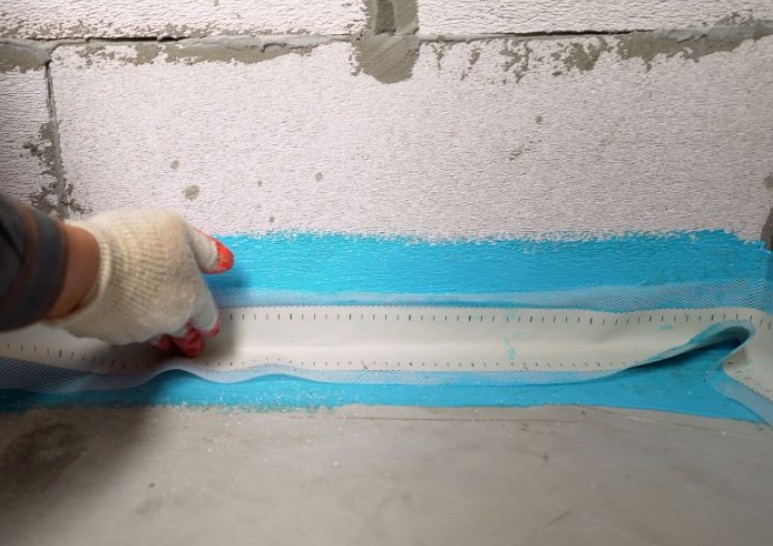
Exterior methods are designed to stop water before it reaches the basement walls. An exterior waterproofing membrane is one of the most effective long-term solutions. Contractors apply a protective coating to the outside of the foundation, creating a moisture barrier that keeps water from entering.
Drainage improvements, such as French drains, also redirect groundwater away from the home. These systems relieve pressure from the foundation and prevent water from collecting near the walls. Adjusting the soil grading around the house helps as well. When the ground slopes away from the home, rainwater flows in the right direction instead of pooling near the foundation.
Comparing Interior and Exterior Methods
Both interior and exterior waterproofing methods have strengths, and the right choice depends on the type of leak and the condition of the home. Interior methods are often quicker to install and work well when moisture is already entering the basement. Exterior methods address the root cause by keeping water away from the foundation before it becomes a problem.
Cost, installation time, and the severity of the moisture issue all influence the decision. Some homeowners benefit from a combination of solutions, especially when dealing with persistent leaks or high groundwater levels. A mixed approach provides strong long-term protection and makes basement waterproofing more effective overall.
Signs You Need Professional Waterproofing Help
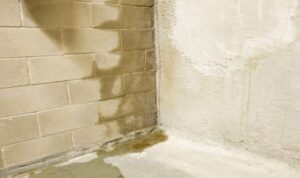
Some signs indicate that the problem is more serious than a minor leak. Persistent damp spots, especially after rain, often mean water is entering through cracks or exterior pressure. Mold growth or musty odors show that moisture levels are too high and need immediate attention.
White, chalky deposits known as efflorescence appear when water evaporates, leaving behind mineral residue. This is a clear sign that water is entering through the walls. Larger cracks or deteriorating concrete indicate structural pressure and should be inspected immediately.
What to Expect During a Professional Waterproofing Evaluation
A professional inspection reveals the source of the water and the severity of the problem. Experts look at drainage patterns, cracks, humidity levels, and the condition of the foundation. Once the source is identified, the team recommends the most effective interior or exterior method.
Professionals match the waterproofing solution to the specific issue at hand. Interior drainage may solve one type of leak, while an exterior membrane may be needed for another. A complete plan often includes long-term maintenance suggestions such as drainage adjustments, downspout improvements, or humidity control. This ensures that basement waterproofing remains effective for years to come.
Conclusion
Choosing the best waterproofing solution starts with understanding how water enters the basement. Interior and exterior systems each play important roles, and many homes benefit from a combination of both. With the right method, homeowners can protect their basements, prevent structural damage, and create a cleaner, healthier living environment. The key is identifying the source early and taking action before damage grows.
For a trusted inspection and effective protection plan, contact Basement Waterproofing DC. Their team provides expert evaluations and long-term solutions to keep basements dry and homes protected.