PVC Planks for Flooring: What I Learned After Installing Them in Real Homes

Why I Started Using PVC Plank Flooring
The first time I installed PVC plank flooring, I honestly didn’t expect much from it. I figured it would be one of those cheap temporary flooring options people use before they can “afford the real stuff.” Turns out, I was way off.
A friend asked me to help redo a small rental property kitchen that had old peeling sheet vinyl from probably the late 90s. The budget was tight, the subfloor wasn’t perfect, and hardwood flooring wasn’t even remotely realistic. We ended up choosing PVC vinyl planks mostly because they were affordable and waterproof.
After we finished, though, I remember standing there thinking, “Dang… this actually looks pretty good.”
Not fake-good either. Some modern luxury vinyl plank flooring honestly looks shockingly close to real hardwood now. Especially from a few feet away.
Since then, I’ve installed PVC planks in laundry rooms, basements, rental units, mudrooms, and even one busy family kitchen with three dogs running around constantly. I’ve also made plenty of mistakes along the way. So this article is basically the practical advice I wish somebody had handed me years ago before I started messing around with flooring projects.
What Are PVC Planks for Flooring?
Understanding PVC Vinyl Plank Flooring
PVC plank flooring is a type of synthetic flooring made primarily from polyvinyl chloride. Most people call it:
- Vinyl plank flooring
- Luxury vinyl plank (LVP)
- Waterproof plank flooring
- PVC flooring planks
It’s designed to mimic hardwood flooring while being more water resistant and easier to maintain.
Most planks have multiple layers:
- Wear layer
- Printed design layer
- Core layer
- Backing layer
The printed wood grain technology has gotten crazy good lately. Some floors even have textured surfaces that feel like real wood grain under your feet.
Honestly, some cheaper laminate flooring still looks more fake than decent PVC planks.
Why PVC Plank Flooring Became So Popular
The Waterproof Feature Changed Everything
I think waterproof flooring is the biggest reason people started switching to PVC planks.
Years ago, kitchens and basements were tricky because hardwood flooring could warp from moisture. Laminate flooring didn’t love water either.
PVC planks solved a lot of that.
I installed waterproof vinyl plank flooring in a basement once where seasonal humidity used to ruin carpet every few years. Three years later, the PVC flooring still looked almost brand new.
That impressed me more than the sales brochure ever could.
Other Reasons Homeowners Love It
- Affordable compared to hardwood
- Easier DIY installation
- Scratch resistance
- Pet friendly
- Comfortable underfoot
- Tons of wood-look styles
And honestly? Maintenance is easy. That matters more than people realize until they’re cleaning muddy paw prints every week.
Types of PVC Plank Flooring
Not All Vinyl Planks Are the Same
This confused me badly at first.
I assumed all vinyl plank flooring worked basically the same. Nope.
Glue-Down PVC Planks
These are glued directly to the subfloor.
Pros:
- Very stable
- Good for commercial spaces
- Less movement
Cons:
- Harder installation
- Tougher repairs
- More prep work
I personally think glue-down flooring is better for experienced installers.
Click-Lock Vinyl Planks
This is probably the most common DIY option now.
The planks snap together using locking edges.
Pros:
- Easier installation
- Floating floor system
- Beginner friendly
Cons:
- Needs expansion gaps
- Can sound hollow if subfloor is uneven
This is usually what I recommend to homeowners doing their first flooring project.
Loose Lay Vinyl Flooring
This stuff surprised me.
The planks are heavy and grip the floor without much adhesive.
Good for:
- Temporary installs
- Quick renovations
- Small rooms
But honestly, I still trust click-lock systems more for long-term durability.
Preparing the Floor Before Installation
This Step Matters More Than the Flooring Itself
I know prep work is boring. I hate it too sometimes.
But every flooring disaster I’ve seen started with skipping subfloor preparation.
PVC planks are flexible. That means bumps, dips, and uneven spots underneath eventually show through.
The Subfloor Should Be
- Dry
- Smooth
- Clean
- Level
- Structurally solid
One guy I knew installed luxury vinyl plank flooring over cracked tile without leveling anything first. Looked decent for maybe two months.
Then the joints started flexing and separating.
Not good.
Acclimating PVC Plank Flooring
I Learned This Lesson the Hard Way
I once unloaded vinyl planks from a cold garage and installed them immediately.
Bad move.
Temperature changes can cause expansion and contraction after installation.
Now I always let flooring acclimate inside the room for at least:
- 24 hours minimum
- 48 hours if possible
Especially in places with humidity swings.
It feels annoying waiting around, but it really does help prevent gaps later.
Tools You Actually Need
Keep It Simple
You don’t need some giant professional flooring toolkit.
Most DIY vinyl plank installations can be done with:
- Utility knife
- Tape measure
- Rubber mallet
- Spacers
- Straight edge
- Pull bar
- Tapping block
Knee pads too. Seriously.
I ignored knee pads during a hallway install once and my knees were screaming at me the next morning like I had aged 20 years overnight.
Little things matter on long projects.
How to Install PVC Plank Flooring
My Preferred Method After Years of Trial and Error
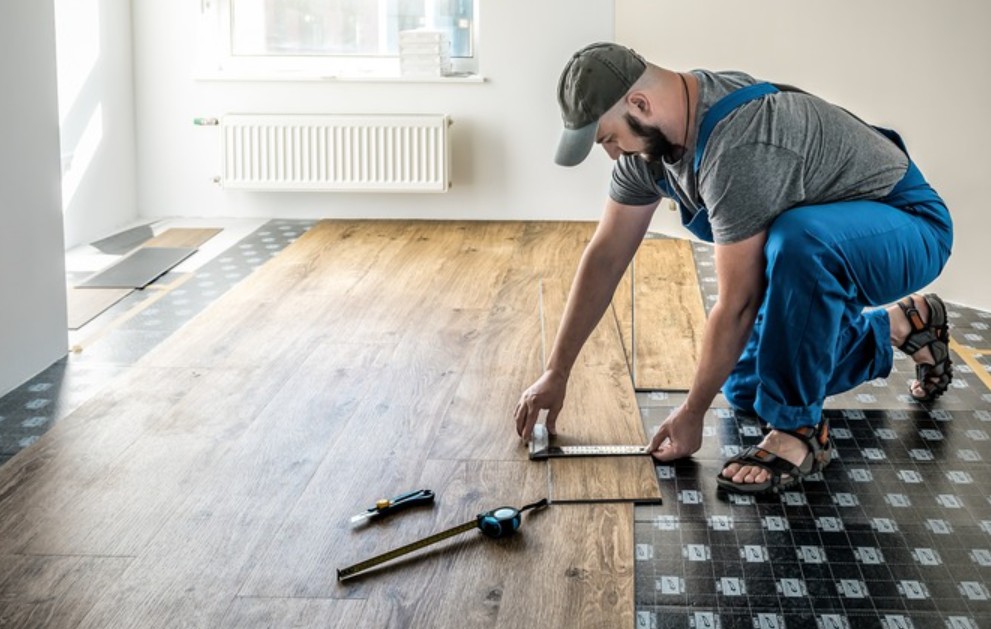
There are different approaches, but this system has worked best for me.
Step 1: Plan the Layout
Always dry-fit a few rows first.
You don’t wanna end up with a tiny awkward strip against one wall. That looks rough.
Step 2: Leave Expansion Gaps
PVC flooring expands slightly with temperature changes.
Leave about:
- 1/4 inch around walls
- Around cabinets
- Near door frames
Baseboards will cover the gaps later.
Step 3: Start Straight
Your first row matters A LOT.
If the first row drifts crooked, the entire room slowly gets worse.
I learned that lesson in a small bathroom install where by the final row things were so off I nearly lost my mind fixing it.
Step 4: Stagger the Seams
Don’t line up plank seams evenly.
Random stagger patterns look more natural and stronger structurally.
Step 5: Lock Planks Carefully
Click-lock systems usually angle together first, then snap down.
Don’t force connections aggressively.
I cracked a few locking edges early on by getting impatient. Those tiny edge breaks become future weak spots.
Common Problems With PVC Plank Flooring
Stuff People Don’t Always Mention
I like vinyl plank flooring, but it isn’t perfect.
Heavy Furniture Can Dent It
Especially cheaper products.
Use furniture pads whenever possible.
Sunlight Can Fade Some Floors
Large windows with strong sunlight can discolor certain planks over time.
Cheap Flooring Feels Cheap
This one’s important.
Really low-cost PVC flooring often has:
- Thin wear layers
- Weak locking systems
- Repetitive fake patterns
Sometimes saving a little more upfront prevents headaches later.
I’ve seen bargain flooring fail in less than five years while mid-grade products still looked great after a decade.
Best Rooms for PVC Plank Flooring
Where It Performs the Best
Honestly, PVC plank flooring shines in busy practical spaces.
Kitchens
Water resistance helps a ton around sinks and appliances.
Bathrooms
Much safer than hardwood flooring here.
Basements
One of my favorite basement flooring choices.
Laundry Rooms
Handles moisture better than laminate.
Rental Properties
This stuff is gold for rentals honestly.
Durable, easy to clean, and relatively affordable to replace if damaged.
PVC Flooring vs Laminate Flooring
My Real-World Opinion
People compare these constantly.
Here’s my honest experience after installing both.
PVC Plank Advantages
- Waterproof
- Softer underfoot
- Quieter
- Better for moisture areas
Laminate Flooring Advantages
- Often more scratch resistant
- Slightly more realistic wood feel sometimes
- Usually thicker
If moisture is involved at all, I usually lean toward PVC planks.
Too many laminate floors get ruined by small leaks or repeated spills.
PVC Flooring vs Hardwood Flooring
The Big Debate
Nothing fully replaces real hardwood flooring. I still believe that.
But hardwood comes with:
- Higher cost
- Refinishing needs
- Moisture sensitivity
- Scratch concerns
PVC plank flooring gives people a similar look without all the maintenance stress.
One homeowner told me she finally relaxed after switching from hardwood because she stopped panicking every time the dog spilled water near the kitchen.
That kinda stuck with me.
Cleaning and Maintaining PVC Plank Flooring
Easier Than Most Flooring Types
This is one reason busy families love it.
Maintenance is pretty simple:
- Sweep regularly
- Damp mop occasionally
- Avoid harsh chemicals
That’s basically it.
No waxing. No sanding. No refinishing.
I do recommend:
- Felt pads under furniture
- Rugs near entrances
- Cleaning spills quickly
Sand and grit can slowly wear down the protective layer over time.
How Long Does PVC Plank Flooring Last?
Depends on Quality More Than Anything
This varies a lot.
Cheap thin flooring may only last:
- 5 to 8 years
Better luxury vinyl plank flooring can last:
- 15 to 25 years
Wear layer thickness matters big time.
I usually tell people:
- 6 mil wear layer = light traffic
- 12 mil = decent residential use
- 20 mil+ = heavy traffic durability
That number actually matters more than fancy marketing names sometimes.
Mistakes I See DIY Installers Make
These Problems Happen Constantly
Installing Over Uneven Floors
Still the #1 issue.
Forgetting Expansion Gaps
This can cause buckling later.
Buying Flooring That’s Too Thin
Thin planks often feel cheap underfoot.
Rushing the Layout
Bad seam patterns make floors look amateur fast.
Ignoring Moisture Problems
Especially in basements.
Moisture problems underneath flooring rarely improve on their own.
Is PVC Plank Flooring Worth It?
My Honest Thoughts After Years of Using It
For most homeowners? Yeah honestly, it usually is.
Especially if you want:
- Affordable flooring
- Waterproof durability
- DIY-friendly installation
- Low maintenance
Would I choose it over real hardwood in every room? Probably not.
But for:
- Basements
- Kitchens
- Rental homes
- Laundry rooms
- Busy family spaces
PVC plank flooring makes a ton of practical sense.
And the newer products really do look way better than the old shiny fake vinyl floors people remember from decades ago.
Some of them fooled me the first time I saw them installed, no joke.
Conclusion
PVC planks for flooring have come a long way over the years. What used to feel like a cheap temporary flooring option has turned into one of the most practical choices for modern homes. Between the waterproof performance, easy maintenance, realistic wood-look styles, and DIY-friendly installation, it’s easy to see why luxury vinyl plank flooring became so popular.
I’ve installed PVC flooring in rentals, basements, kitchens, and busy family homes, and honestly the biggest factor in success usually comes down to preparation. A smooth subfloor, decent-quality materials, and patience during installation matter way more than fancy marketing claims.
It’s not perfect flooring. Cheap products can fail early, and poor installation causes plenty of headaches. But when installed correctly, good PVC plank flooring holds up surprisingly well for everyday life.
For homeowners who want durability without the cost and stress of hardwood flooring, PVC planks are definitely worth considering.
FAQ About PVC Plank Flooring
What are PVC planks for flooring?
PVC planks are synthetic vinyl flooring products made primarily from polyvinyl chloride. They are designed to mimic hardwood flooring while offering waterproof durability and easier maintenance.
Is PVC plank flooring waterproof?
Most PVC vinyl plank flooring products are highly water resistant or fully waterproof, making them popular for kitchens, bathrooms, laundry rooms, and basements.
How long does PVC plank flooring last?
Quality PVC flooring can last between 15 and 25 years with proper installation and maintenance. Lower-quality products may wear out much sooner.
Can you install PVC plank flooring yourself?
Yes. Click-lock PVC plank flooring is considered one of the more beginner-friendly DIY flooring options available today.
What is the difference between PVC flooring and laminate flooring?
PVC flooring is more water resistant, softer underfoot, and better for moisture-prone areas. Laminate flooring is often harder and may resist scratches slightly better.
Does PVC plank flooring need underlayment?
Some products include attached underlayment, while others require a separate layer. Always check the manufacturer recommendations before installation.
Can PVC flooring be installed over tile?
Yes, in many cases. However, the tile surface must be level, clean, and stable. Deep grout lines may need leveling compound first.
Is PVC plank flooring good for pets?
Yes. Many homeowners choose vinyl plank flooring because it resists scratches, moisture, and pet accidents better than hardwood flooring.
Does PVC flooring scratch easily?
Higher-quality products with thicker wear layers resist scratches fairly well. Cheap thin flooring is usually more vulnerable to damage.
What thickness is best for PVC plank flooring?
For most homes, flooring around 5mm to 8mm thick with at least a 12 mil wear layer works well. High-traffic areas may benefit from thicker commercial-grade products.